October 04, 2026
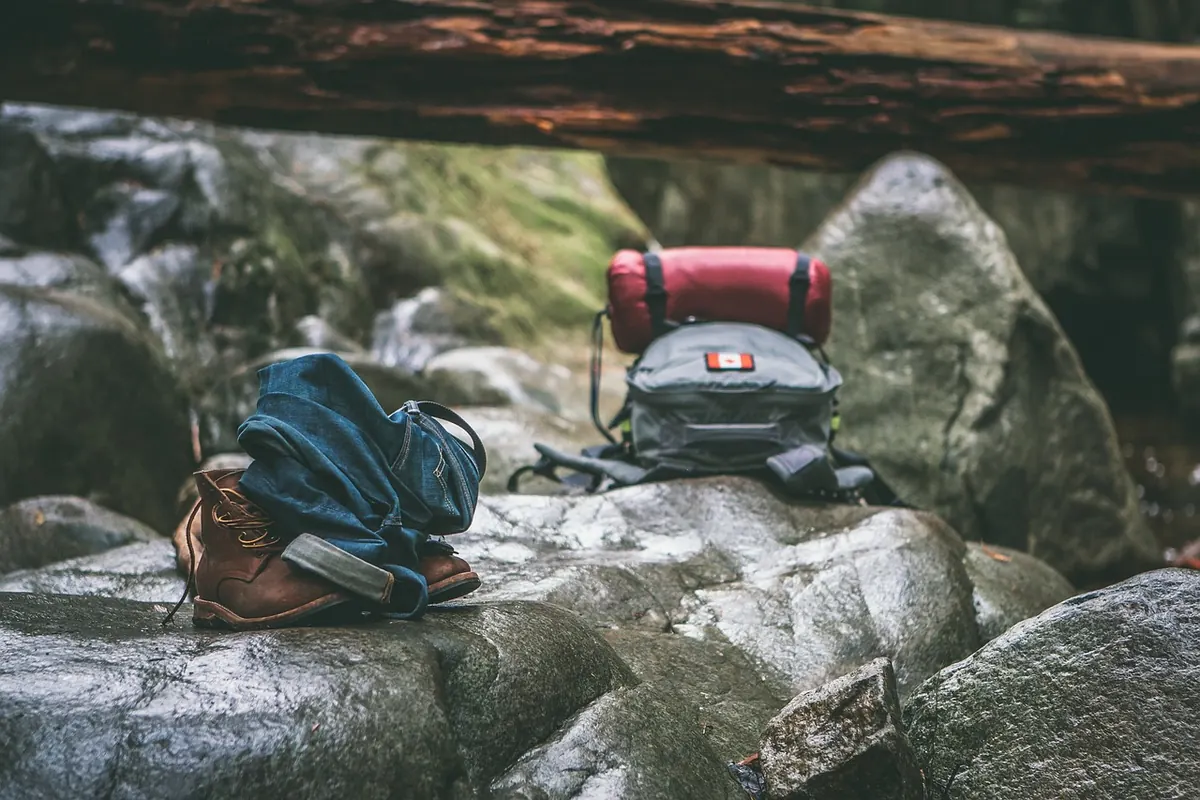
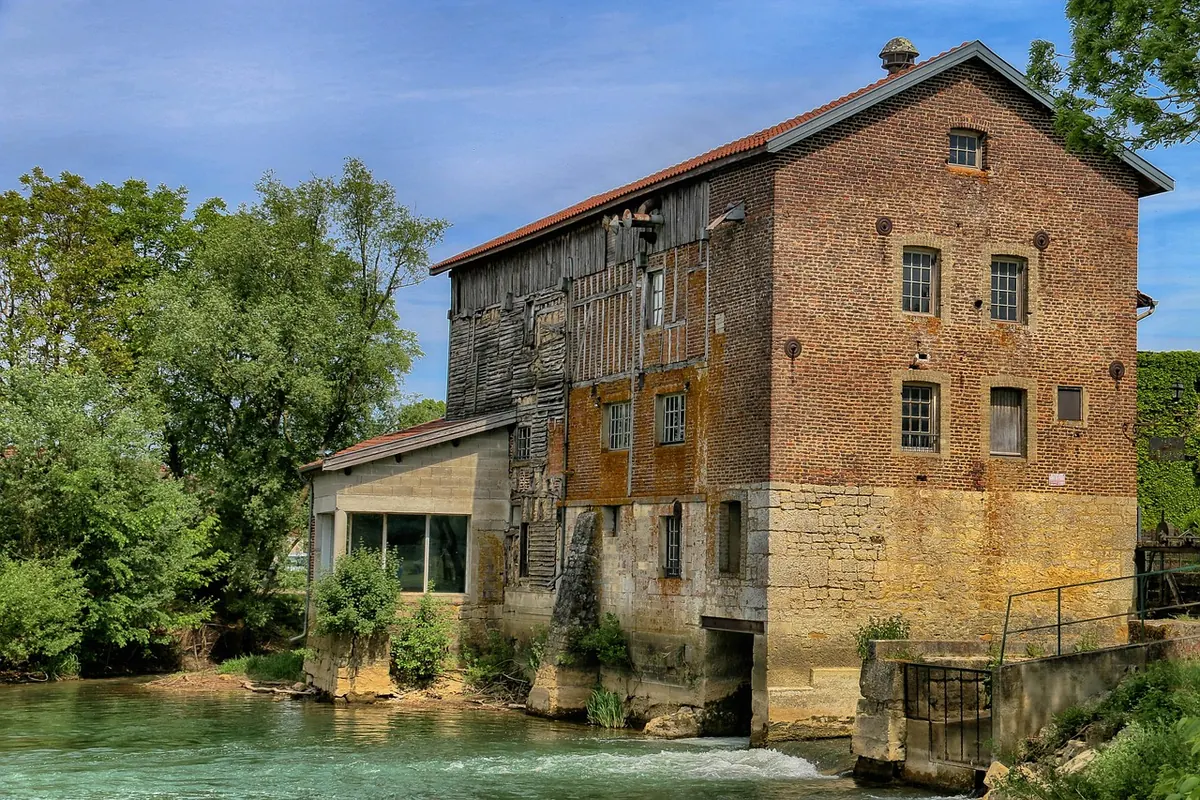
Mill trails look forgiving on paper. Two or three kilometres, a loop past a stone building and a millpond, maybe a plank footbridge — the kind of outing you could almost do in town shoes. Then you arrive, and the path runs along a shaded millrace where the slabs stay wet into July, the blazes fade out at the third fork, and a squall comes down off the ridge faster than you expected. Nothing dramatic. Just enough small discomfort to turn a pleasant hour into a long one.
The fix is not a bigger pack. It is a short, specific list that lives by the door, so you can grab it without thinking and be walking within ten minutes of parking. Here is the one worth keeping.
The Twelve Essentials, at a Glance
Pack for the walk you are actually taking: a few hours, mostly low ground, usually close to a village or a farm track. That means the list is about margin, not survival. Twelve items, roughly two kilograms, in a bag you forget you are wearing.
- A synthetic or merino base layer — anything but cotton.
- A light rain shell that packs down to the size of an apple.
- A thin fleece or light insulated mid-layer.
- Shoes with real tread left on them.
- A spare pair of socks, in a bag.
- One litre of water per person.
- A snack with salt and carbohydrate in it.
- A paper map, or an offline map saved on your phone.
- A compact power bank, charged.
- A headlamp with fresh batteries.
- A small first-aid kit, blister plasters included.
- A whistle and a card with an emergency contact written on it.
Everything beyond these twelve is preference: trekking poles, a sit mat, sun cream, a camera, a flask of coffee for the bench above the weir. The twelve are the floor, not the ceiling.
Clothing: Dress for Wet Stone and Cold Shade
Mill trails follow water, and water means shade. Alder, willow and ash close over the race, the ground stays damp, and the temperature under that canopy can feel a good deal cooler than the village square where you parked. In a T-shirt you will be cold at the pond and sweating on the climb out. Layers solve both.
The three-layer habit
A base layer that moves sweat away from your skin, a mid-layer that traps warmth, and a shell that blocks wind and rain. Start with all three in the pack or on your body in cool weather; strip the fleece on the uphill and put it back on the moment you stop to look at the wheel pit. Cotton is the one fabric to avoid — it holds water against your skin and stays cold for hours.
Feet, specifically
Wet wooden planks, mossy stone steps and algae-slick slabs beside a millpond are more treacherous than dry rock, and worn heels are the usual culprit when someone slips. Check your soles in daylight before you leave. Trail shoes or light boots with lugged rubber are ideal; sandals, smooth trainers and anything with a heel that rolls sideways are not. Carry the spare socks and change them at the halfway point if your feet are damp. It takes thirty seconds and it changes the whole second half of the walk.
Water, Salt, and the Short-Hike Trap
The short-hike trap is simple: because the walk is short, you carry less, and because you carry less, the short walk feels harder than it should. A litre per person for two to three hours is a sensible default in mild weather, and you should drink some of it before you feel thirsty. On a hot day, take more than you think you need and leave a bottle in the car for the return.
Food matters less than water but more than most people plan for. A handful of nuts, a piece of cheese, bread with something salty, or dried fruit will do more for you than a single sweet bar, which lifts you for twenty minutes and then drops you. Eat something small at the millpond bench rather than saving it all for the car. Ten minutes of sitting beside moving water is half the reason you came.
Navigation: Assume the Blazes Stop
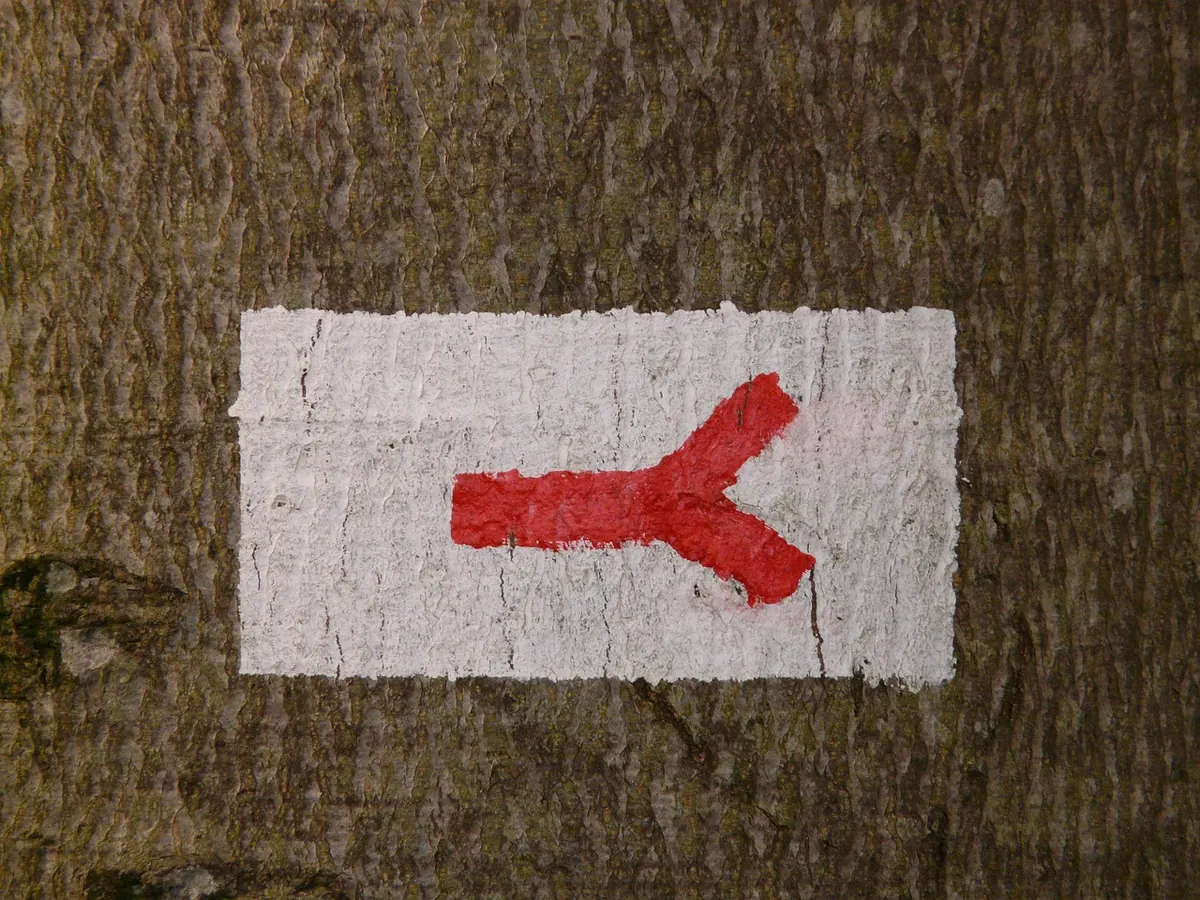
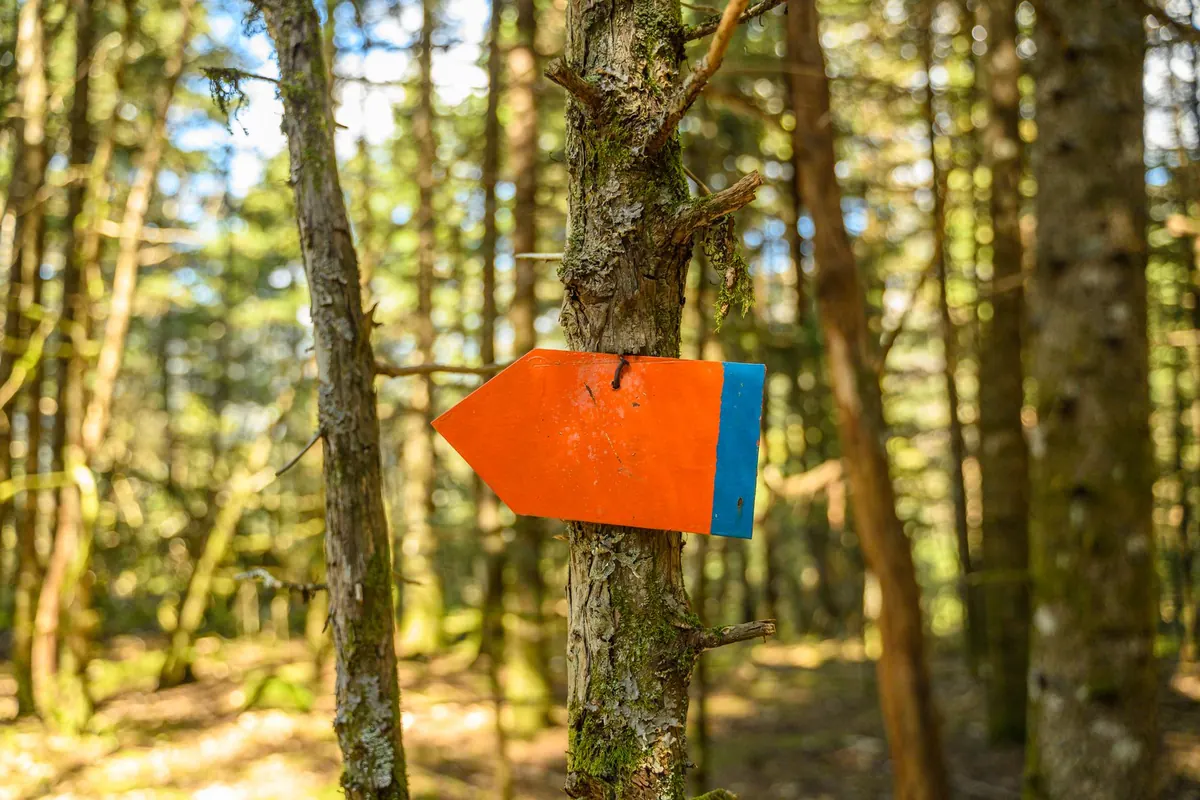
Many mill trails are kept up by volunteers, local groups or a village association, and markings are intermittent at best. The awkward places are predictable: the fork where the path splits around the millpond, the junction by the footbridge, and the point where a legitimate route crosses a farm track that looks exactly like a trail. This is where a paper map in a plastic sleeve earns its place, even on a two-kilometre loop.
- Download the offline map at home, not at the trailhead, where signal often dies.
- Switch the phone to airplane mode on the walk — it saves battery for the map and the camera.
- Photograph the trailhead sign and your parking spot before you set off.
- Tell someone which loop you are doing and when you expect to be back.
- Turn around at a landmark you remember, not at the point where you feel tired.
If the path disappears, backtrack to the last clear marker rather than pushing through undergrowth. Brambles and wet roots cost more time than the extra ten minutes of walking back.
Emergency and Repair: The Items You Hope to Never Use
Most of this kit will ride in your pack for years and never be opened. That is the point. Keep it small enough that you never resent it.
The first-aid end of the list should be honest about what actually happens on a short trail: blisters, a scraped palm, a twisted ankle, a sting. A few blister plasters, a small roll of tape, an antiseptic wipe, tweezers and any personal medication you rely on cover almost everything. If you have a medical condition, ask your doctor what belongs in your kit for a day outdoors — that is a conversation worth having once rather than guessing.
The headlamp is not there because you plan to walk in the dark. It is there because dusk arrives early under trees, and a slow, limping return after a turned ankle takes twice as long as the walk out. A whistle carries further than a voice when you are tired or out of breath; three blasts is the usual signal for help. The written contact card matters more than it sounds — phones die, screens crack, and a card in a zip pocket still works.
Pack the repair kit once, seal it in a small dry bag, and check it twice a year. A first-aid kit you have never inventoried is just a pouch of unknown weight.
What Stays in the Car
The last part of the checklist is not in the pack at all. Leave a towel, a dry pair of shoes and a spare jacket in the boot, plus a refill bottle of water. Keep a little cash in the glovebox for the honesty box at a farm gate or the village café that takes coins and nothing else. If your route ends with wet feet and a forty-minute drive, you will be grateful for all of it.
Pack It Once, Then Forget It
Set up a small daypack by the door and let it stay loaded: layers rolled, water bottle empty and waiting, kit bag sealed, map and whistle in the lid pocket. The night before a walk, you only need to do four things — fill the bottle, charge the phone and power bank, check the headlamp, and confirm the weather. Five minutes, no rummaging.
That routine is what makes a last-minute mill trail outing genuinely easy. You park, you lace up, you walk past the old wall and down to the water with everything you need already on your back. The best checklist is the one you stop noticing.
Photo: Pexels / Pixabay