October 02, 2026
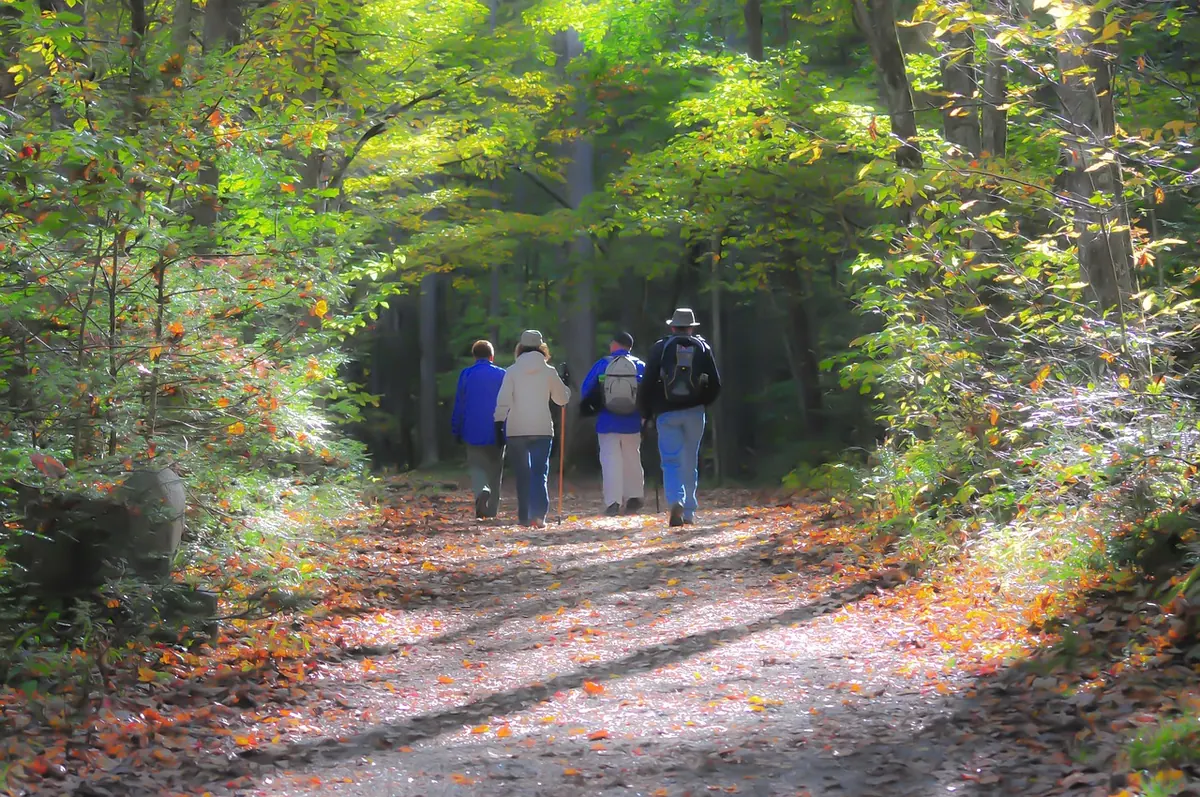
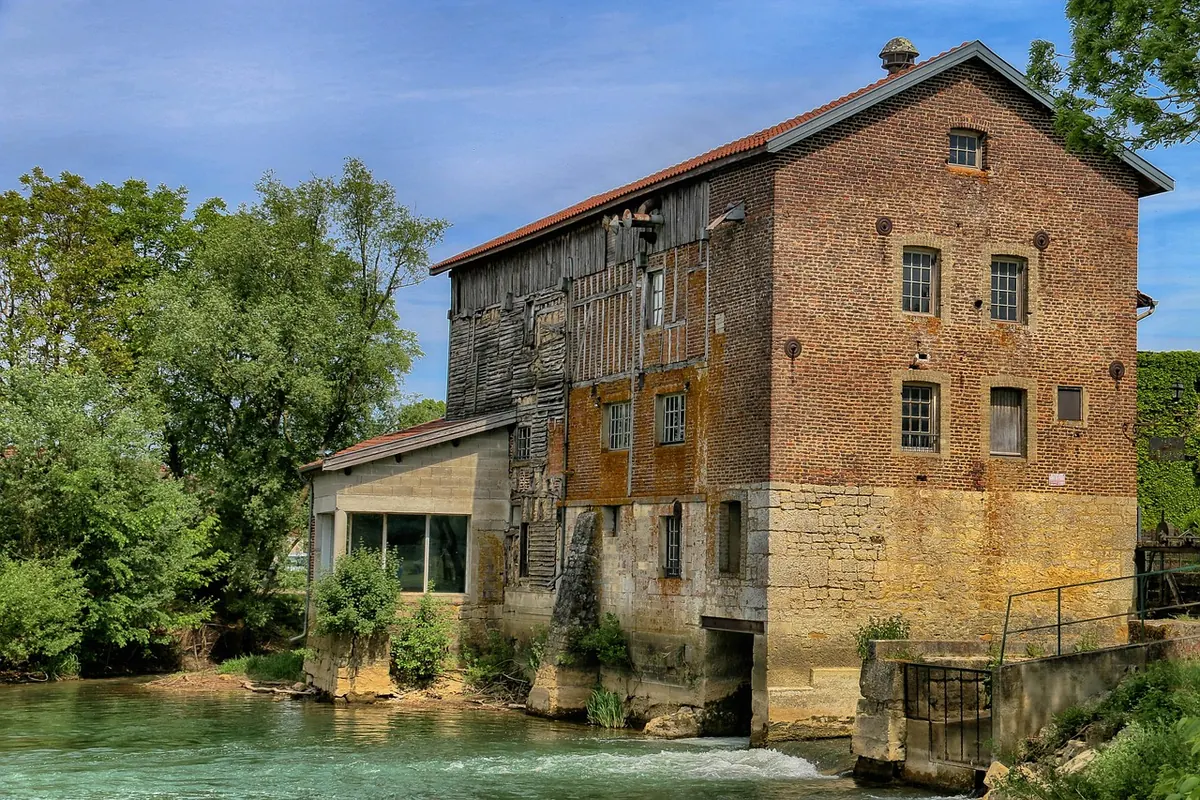
The first time you walk a mill trail, you may not realise you are on one. There is no summit, no dramatic viewpoint with a signboard. Instead the path follows a stream through woods and terraced fields, slips past a low stone wall, and ends at a building that looks half-ruined and half-alive, with water still churning somewhere behind it. That is the appeal. Mill trails are working-history walks: short enough for a first outing, varied enough to hold your attention, and usually close to a village where you can find a coffee afterwards. What follows is what to expect on that first walk — the ground under your feet, sensible distances, how the waymarking behaves, and what you are actually looking at when you reach the mill.
What Counts as a Mill Trail
These are old working routes. A watermill needed grain, chestnuts, olives or wool brought to it, and flour, oil, cloth or sawn timber carried away, so paths grew up between the mill and the farms it served. Many ran beside the channel that fed the wheel — the gora or leat — because that was the flattest, easiest line through the valley.
That history shapes the walking. You get gentle gradients along the water, short steep pitches where the path climbs to a field or a hamlet, and a route that is rarely more than a few kilometres end to end. Most established mill trails are loops of three to eight kilometres; some are linear, which means either retracing your steps or arranging a lift. Very few are technically demanding. Almost all are more interesting than a plain forest walk, because there is something to look at at the end.
The Ground Under Your Feet
Mill trails are not manicured. Expect a mix of surfaces within a single outing, and expect the character of the path to change with the weather. Three you will meet often:
Packed earth and gravel
Usually the easy part, often on the old cart track. After rain, the middle of the path holds puddles while the edges stay firmer — walk the edges and keep your feet drier.
Stone, cobbles and old paving
Mill routes preserve short stretches of paved track, sometimes laid with rounded river stones. These are slippery when wet and unforgiving underfoot. Take them slowly, keep your weight over your feet rather than leaning forward, and use trekking poles if you have them. On descents, poles save your knees and your dignity.
Roots, mud and stream crossings
Woodland sections bring exposed roots that trip tired legs, and clay that grabs a boot and holds it. Small footbridges are common but not guaranteed; where the path fords a side stream, stones are usually placed for stepping. Test each one before committing your weight. If the water is high after heavy rain, turn around — a fifteen-minute detour beats a soaked boot for the rest of the day.
Distance, Time and Elevation
The commonest first-walk mistake is planning by distance alone. On uneven ground, with stops to look at things, three kilometres an hour is a realistic average, and slower if there is climbing. A five-kilometre loop with 200 metres of ascent is a comfortable half-day for a beginner, not a two-hour stroll.
Before you set off, note four numbers:
- Total distance, and whether it is a loop or an out-and-back.
- Total ascent, which matters more than distance on short routes.
- The high point and how far along it comes — a climb in the last third, when you are tired, feels twice as long.
- The latest sensible turnaround time, so you are not finishing in fading light.
Then subtract confidence rather than adding it. If a route looks borderline, choose the shorter option. You can always walk the second half another weekend, and finishing with energy left over is a much better introduction than finishing in the dark.
Signage and Waymarking
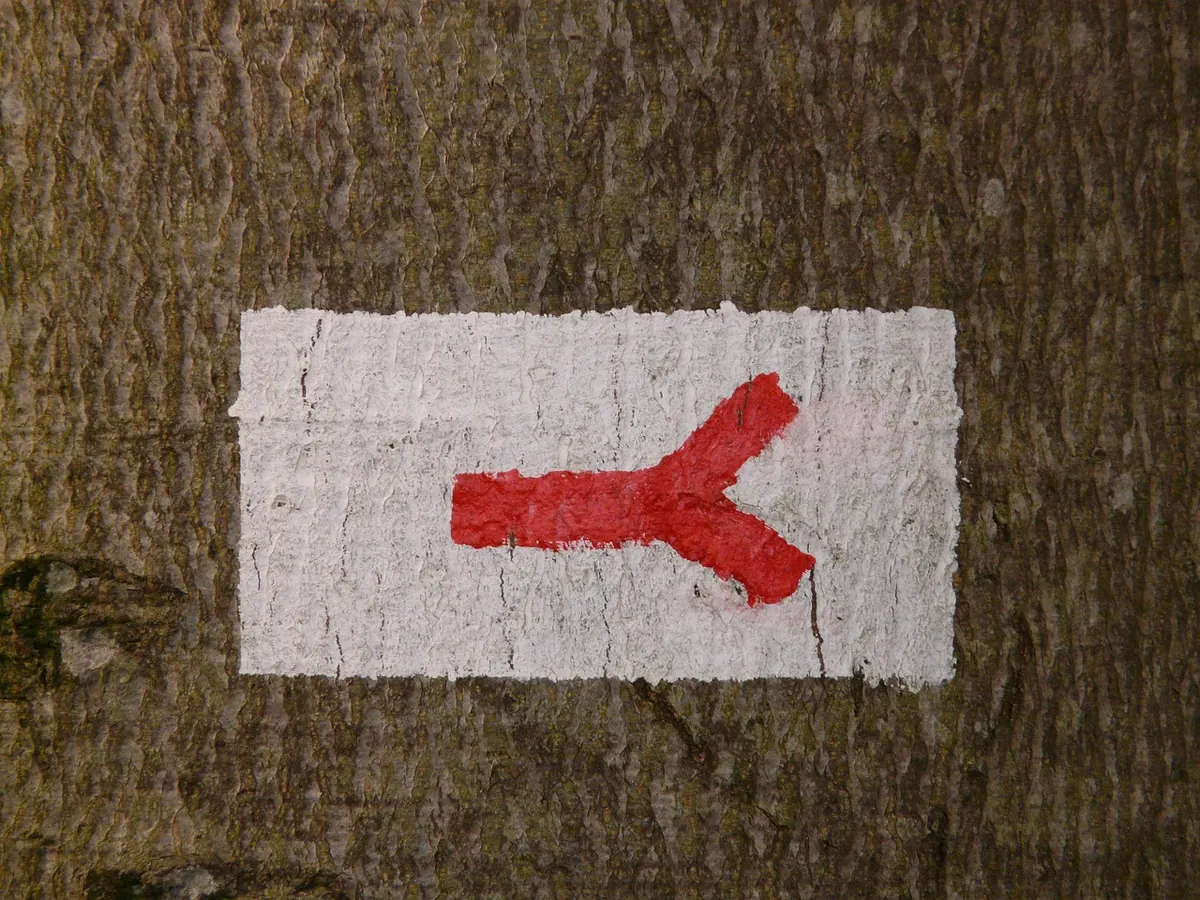
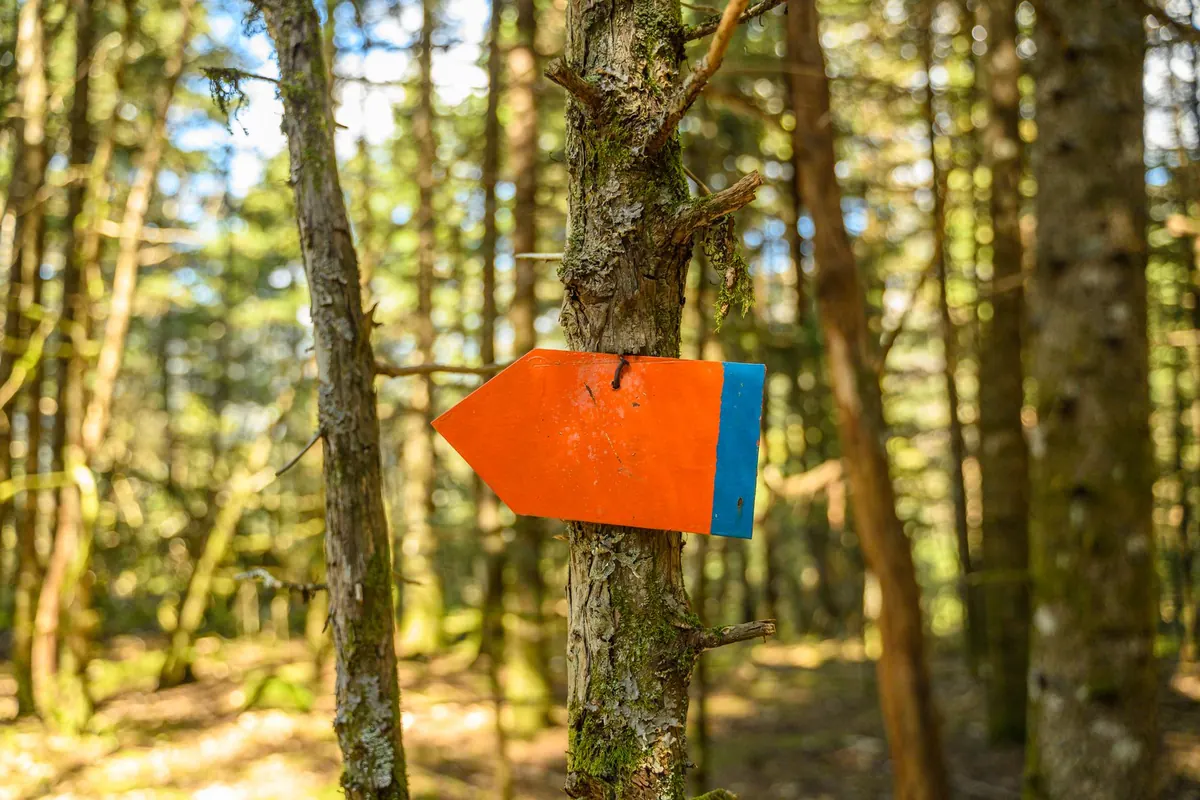
Mill trails are usually marked, but the marking is local in character. You will see painted blazes on rocks and tree trunks, small metal plates on posts, and wooden signs at junctions carrying the name of the mill or the village. Red and white stripes are common in Italy; so are single-colour dots. Do not assume a colour continues from one region to the next.
Two habits keep you on track. First, glance back every so often — junctions look completely different from the other direction, and most wrong turns happen on the return. Second, treat the water as your co-pilot. If the path has been following the mill channel and the channel suddenly peels away while the trail climbs, check the map before you follow either. Where signage fails, as it sometimes does at field boundaries, a downloaded offline map on your phone is worth more than any painted mark.
At the Mill: What You Are Looking At
Arriving is the reward, so it helps to know the parts.
The race, the wheel and the house
Water is diverted upstream and carried along the race to the top of the wheel, where it drops into buckets or pushes against paddles. The building sits tight against the machinery, which is why mills are often the most awkward, patched-together structures in the valley — extended, re-roofed and re-engineered over centuries.
Stones, gearing and the mill floor
Inside, the stones sit one above the other: the bed stone fixed, the runner stone turning above it, grain trickling down through a hole in the centre. Gears and shafts transfer the slow, powerful turn of the wheel to the fast rotation of the stone. Where a mill is open to visitors, you will often see these parts laid out and labelled.
Ponds, weirs and sluices
Look upstream for the weir that raises the water level and the sluice gate that controls the flow. These small structures explain the whole site, and they are the reason the path is here at all.
One practical note: many mills are private homes or working buildings on private land. Admire from the path, stay out of walled yards, and do not climb on wheels, flumes or machinery. If a mill is open, entry is often by arrangement or on set days.
What to Carry on a Half-Day Walk
You do not need much, but the few things you bring should be the right ones: footwear with real tread, a waterproof layer even in a bright forecast, water rather than a single small bottle, and a snack. Add a paper or offline map, a charged phone, and a light layer for the shade of wooded sections, which stay cool and damp even in summer. If you are walking alone, tell someone your route and expected return time.
Before You Set Off: A Short Checklist
Check the forecast for the valley, not just the nearest town — mill trails sit low and collect water. Confirm the route is open, since maintenance or landowner changes occasionally close sections. Set a turnaround time and stick to it. Start earlier than feels necessary; the light along a stream is best in the morning and the paths are quieter. And leave room in the plan for sitting by the water for ten minutes doing nothing at all, because that is half the point of a mill trail.
Walk your first one slowly, in good boots, on a day when you have nowhere else to be. You will learn more about the terrain in three hours than from any description, and you will probably start planning the second one before you reach the car. For health or injury concerns, speak to a qualified professional before taking on longer or hillier routes.
Photo: theSOARnet / Pixabay