October 01, 2026
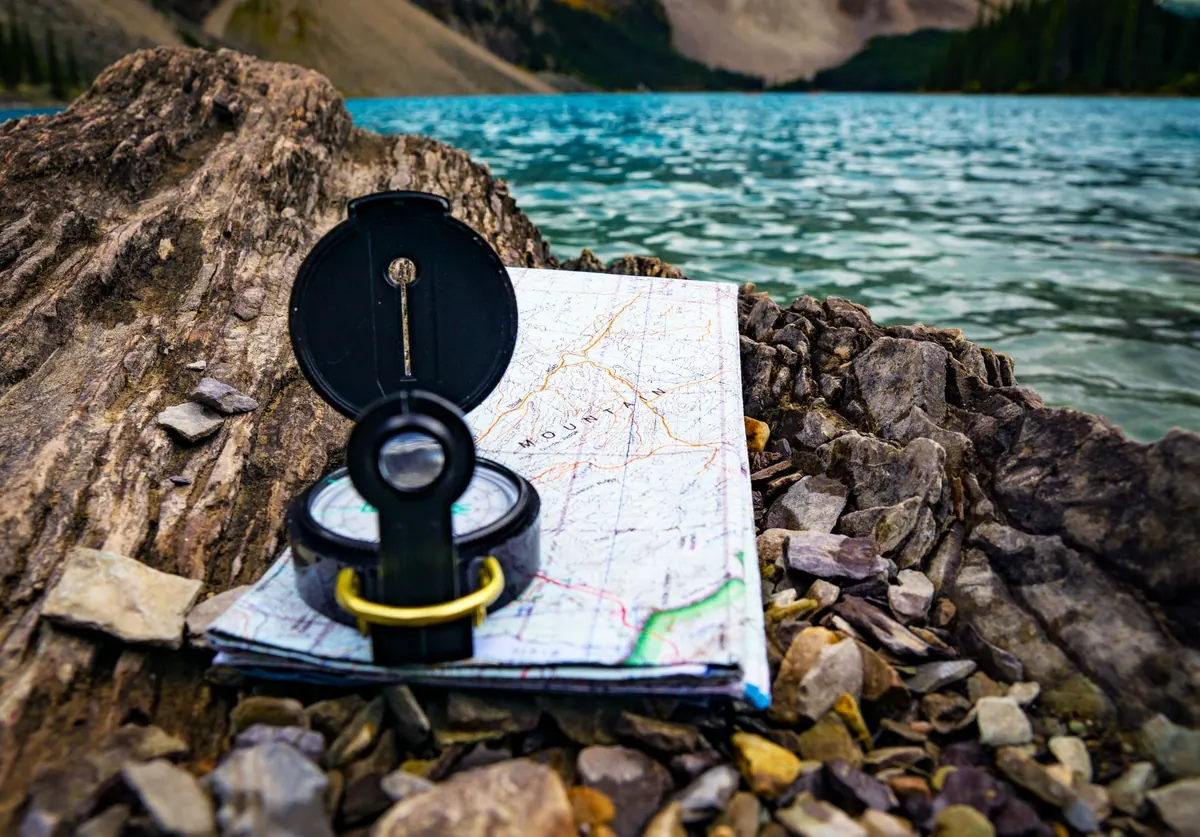
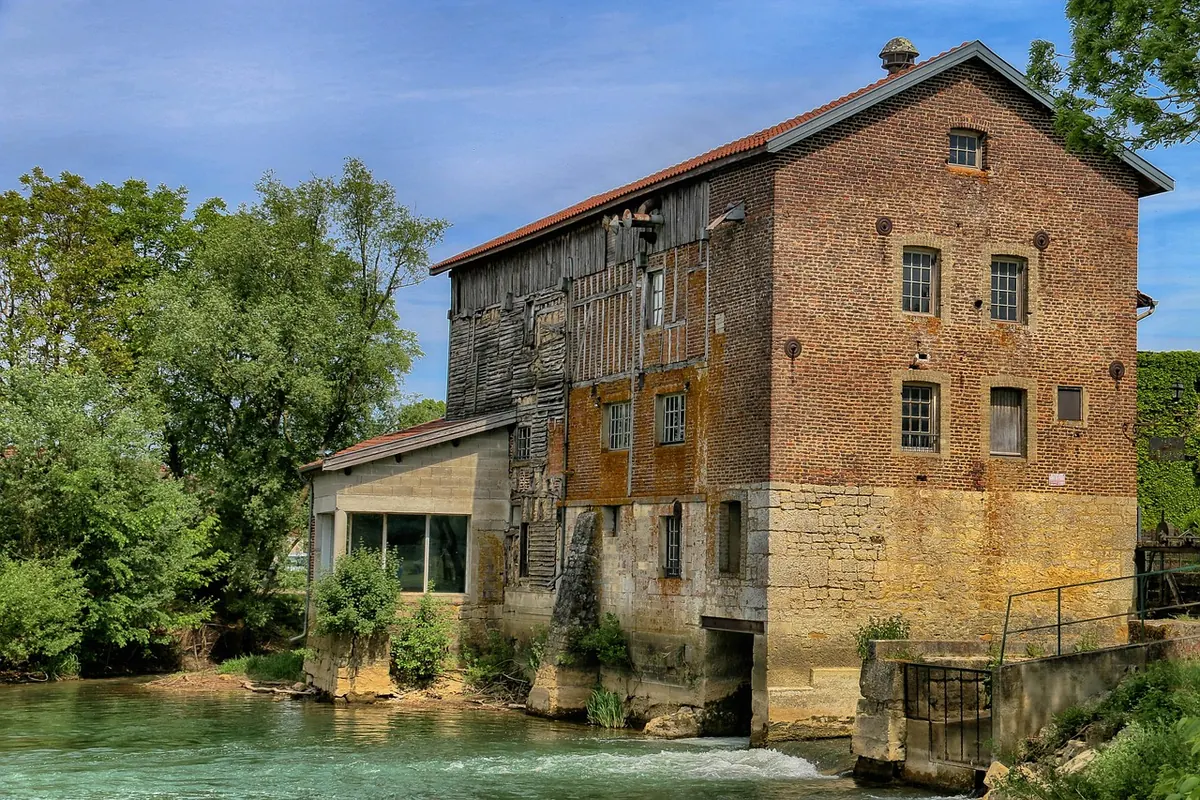
A mill trail is a walk with a subject. Rather than linking viewpoints for their own sake, you follow water: the leat that once fed a wheel, the lane worn by carts hauling grain, the low stone weir that raised enough head to turn an overshot wheel. Mills were sited where the stream allowed it, often every two or three kilometres on a good river, so a single valley frequently hands you a ready-made chain of sites within a half-day's walking.
That shape is a gift. It also means the planning differs from a summit day. Your route is fixed by the water, your stops matter as much as your distance, and the hazards tend to be slippery rather than steep.
Begin With the Mills, Then Open the Map
Most people plan a hike by distance and then look for something to see. Do it the other way round. List every mill site within reach of one trailhead, then work out which of them you can actually link on foot.
Ask what survives at each one, because that changes everything about your timings. A working mill with guided tours can swallow an hour without effort. A roofless shell with a visible wheel pit and the ghost of a headrace might hold you for fifteen minutes. Some sites are only a pond, an earthwork and a name on the map, and that is fine too, as long as you know before you set out. Place names are the quiet clue here: Mill Lane, Millbrook, Mill Farm, Weir Cottage. A name is a good enough reason to walk a stretch of river; it is not a promise of a building.
Then pick your anchor. One mill should be the destination, with two or three supporting sites along the way. That hierarchy stops you from trying to do justice to six mills in four hours and doing justice to none of them.
Match the Route to an Honest Half-Day
A half-day, sensibly defined, is three to four hours from trailhead back to trailhead, stops included. Inside that window most walkers can manage eight to ten kilometres on easy valley tracks, or six to eight if there is a climb or the ground is rough.
Be sceptical of map distance on riverside paths. Stiles, gates, roots, mud and the photographs you will inevitably take slow things down. Once a path turns muddy or overgrown, three kilometres an hour is a fairer estimate than four, and a stile-heavy stretch can be slower still.
Why mill trails go flat, then suddenly don't
Mills need gradient, and gradient has to be somewhere. The leat that fed a mill was often cut along a level contour, which makes wonderful fast walking; the mill itself sits below the water source, sometimes in a gorge where the stream drops sharply. Then there is the mill lane, the old access track for carts and grain sacks, which is frequently the steepest thing on the whole walk and, by some law of the outdoors, is usually waiting at the end of the day. Expect one short, sharp climb and plan your pace around it rather than being surprised by it.
Time the Day Around Stops, Not Just Distance
Distance tells you how long you are moving. It tells you nothing about how long you will linger, and on a mill trail the lingering is the point. Build the schedule in this order:
- Set the total window. For example, four hours from car to car, with a hard finish time tied to the daylight you actually have.
- Estimate walking time. Distance at your honest pace, plus extra for the climb and any rough ground.
- Reserve stop time. Twenty to thirty minutes at the anchor mill, five to ten at ruins, and a proper break for food.
- Add a buffer. Half an hour. It absorbs a wrong turn, a closed gate, or a conversation with someone who remembers the mill working.
If the numbers do not fit, cut a section of the route. Do not shorten every stop by five minutes to make the arithmetic work; you will end up walking past the things you came for.
Set the Turnaround Before You Need It
Choose a turnaround feature and a turnaround time, and obey whichever arrives first. The feature might be a bridge, a junction, or the third mill on your list. If you reach it late, you turn anyway. It sounds rigid, and it is meant to: the overrun usually happens on the outward leg, when everything feels easy and the light is still good.
Also identify one bail-out point where the route can be shortened without drama. A lane that leads back to a road, a village with a shop, a path that cuts a loop short. If you are considering a bus as a bail-out, check the timetable rather than assuming there is one, and do not build a plan around a service that runs twice a day.
Safety on Water-Fed Trails
The hazards of a mill walk are quiet and local rather than dramatic, and they are nearly all to do with water and old stone.
- Wet stone is the main risk. Weirs, sluice gates, old floor slabs and mill steps grow algae that looks harmless and behaves like ice. Treat anything green-black as slippery, and keep boot soles clean.
- Do not walk out onto structures. Weir crests, timber sluice frames and the stonework around races are frequently undercut, rotten, or both. Look from the bank.
- Respect millponds. Silted ponds can hide deep mud and undercut banks that will not take your weight.
- Use the bridge. After rain, a ford or a set of stepping stones that looked simple on the map becomes a bad idea. An extra three hundred metres is cheap.
- Keep back from the edge. Falling into cold water triggers an involuntary gasp and a fast loss of control, even for strong swimmers. This matters most when you are alone or walking with children.
- Assume no phone signal. Steep wooded valleys are dead spots. Tell someone your route and your finish time before you leave.
- Check the season. Nettles and ticks in summer, livestock with young in spring, and local hunting notices in autumn, when something bright and visible is worth wearing.
- Finish in daylight. Wooded valleys darken well before sunset, and old mill sites are exactly where you will want to look around.
If you are walking with a health condition, or with someone who has one, take advice from a qualified professional before choosing a route with steep ground or water crossings.
Final Checks Before You Leave the Car
Boots on, map out, and a quick look at the sky. Confirm your turnaround time out loud, note where the bail-out is, and put the headtorch in the pack even if you expect to be back by lunch. Carry water, a waterproof layer, and something to eat that does not need preparing. Then walk slowly past the first mill, because the whole point of a half-day on a mill trail is that you get to stand still, listen to the water going over the weir, and work out where the wheel used to turn.
Photo: Joshua Woroniecki / Pexels