October 15, 2026
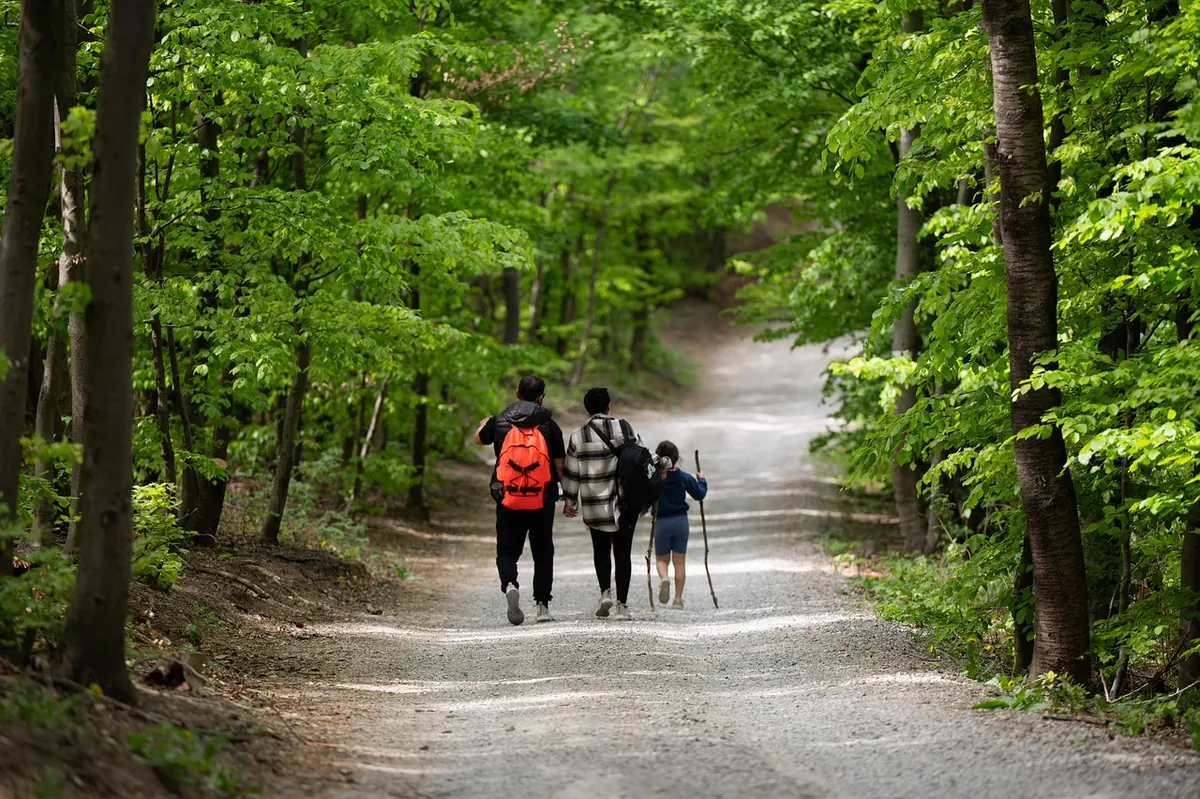
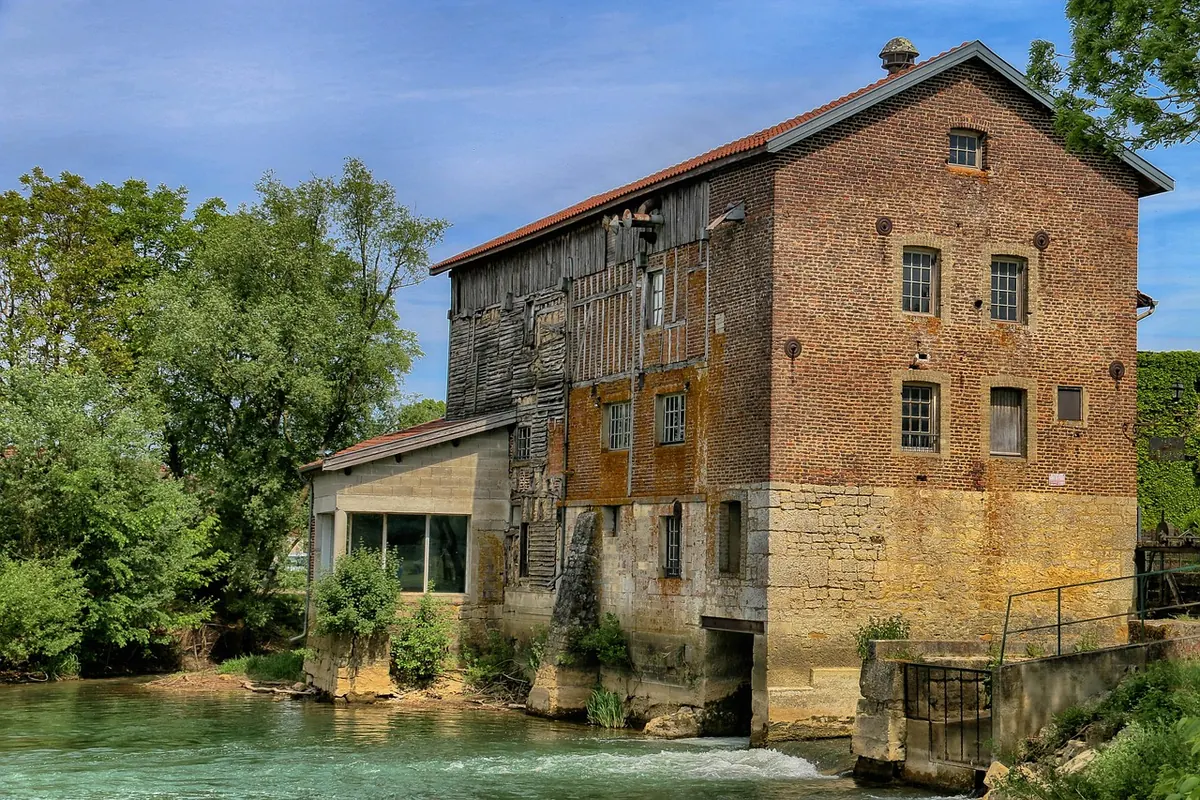
Historic mills make excellent targets for a family walk. There is something to look at when you arrive — a wheel, a stone wall, a pond held behind a sluice — and something to talk about on the way home. Children who complain about "just walking" will usually accept a walk that ends somewhere with a big wooden wheel turning over water.
The trouble is that a mill is often a working piece of old machinery sitting beside moving water, at the bottom of a valley where paths stay damp and uneven long after the rain has stopped. Pick the wrong route and a pleasant hour turns into an hour of carrying a tired four-year-old back uphill.
So this is a guide to choosing the walk rather than the mill. Get those decisions right and the visit takes care of itself.
Start with the mill, then plan the route backwards
Most families find a trail first and hope there is something interesting at the end. Do it the other way round. Choose the mill, check how it can be reached, then decide whether the approach suits your group.
Two mills on the same river can offer completely different days out. One might have a small car park four hundred metres from the wheel, a flat gravel track and a bench under a lime tree. Another might be reached only by a steep, root-covered descent that takes forty minutes down and rather longer back up. Both are lovely. Only one of them works with a three-year-old and a grandmother in the same party.
Before you commit, find out whether the mill is open to visitors, whether there is a yard or picnic area you can use, and whether the path is an out-and-back or part of a loop. A quick look at a local trail site or a note in the guidebook will usually tell you. If the mill itself is closed, ask whether the outside is still worth the walk — many are, especially where there is a bridge or a weir nearby.
Read the terrain before you commit
Surface matters more than distance
A two-kilometre path over wet cobblestones is harder work than four kilometres on a forestry track. Loose stones, tree roots, slippery stone steps and mud around a millpond all slow children down and increase the chance of a tumble. Look for words like gravel, farm track or wide path in route descriptions, and treat rocky, steep and uneven as warnings rather than decoration.
Elevation in small numbers
Mills sit low, because water has to reach them. That usually means the walk in is downhill and the walk out is not. A hundred metres of ascent spread over a kilometre feels gentle to an adult and enormous to a five-year-old at the end of the day. Check the elevation profile if there is one, or trace the contour lines on a map. If the route drops steeply to the mill, plan to turn around before everyone is tired, not after.
Match the distance to the youngest walker
Budget far more time than the map suggests. A walk that takes you half an hour will comfortably take an hour and a half with a small child, once you allow for stone collecting, snack stops and the slow business of crossing a stile with a backpack on.
Out-and-back routes are usually the better choice for families, because you can turn around at any point without a problem. Loops are more satisfying but demand commitment: once you are halfway round, the shortest way out is forward. If you do choose a loop, note where the "point of no return" sits and make sure the mill — the bit everyone actually came for — comes before it, not after.
Rest spots decide the mood of the day
Children cope with distance much better when they know a stop is coming. Mills are generous here. Many have a flat yard, a low wall to sit on, a bridge with a parapet, or a big tree with shade. Plan your snack break at the mill rather than on the path, and the walk gains a purpose in the middle as well as at the end.
Look for shade as well as seating. A sunny June afternoon on an exposed riverbank can wear out a family faster than the walking does. And keep a second, smaller stop in reserve for the return leg — a bench you noticed on the way down is worth remembering.
Water needs your full attention
This is the part of a mill walk that deserves real care. Millponds, leats, races, sluices and weirs are often unfenced, and the stone edges are mossy and slick. A mill race can look shallow and move faster than it appears.
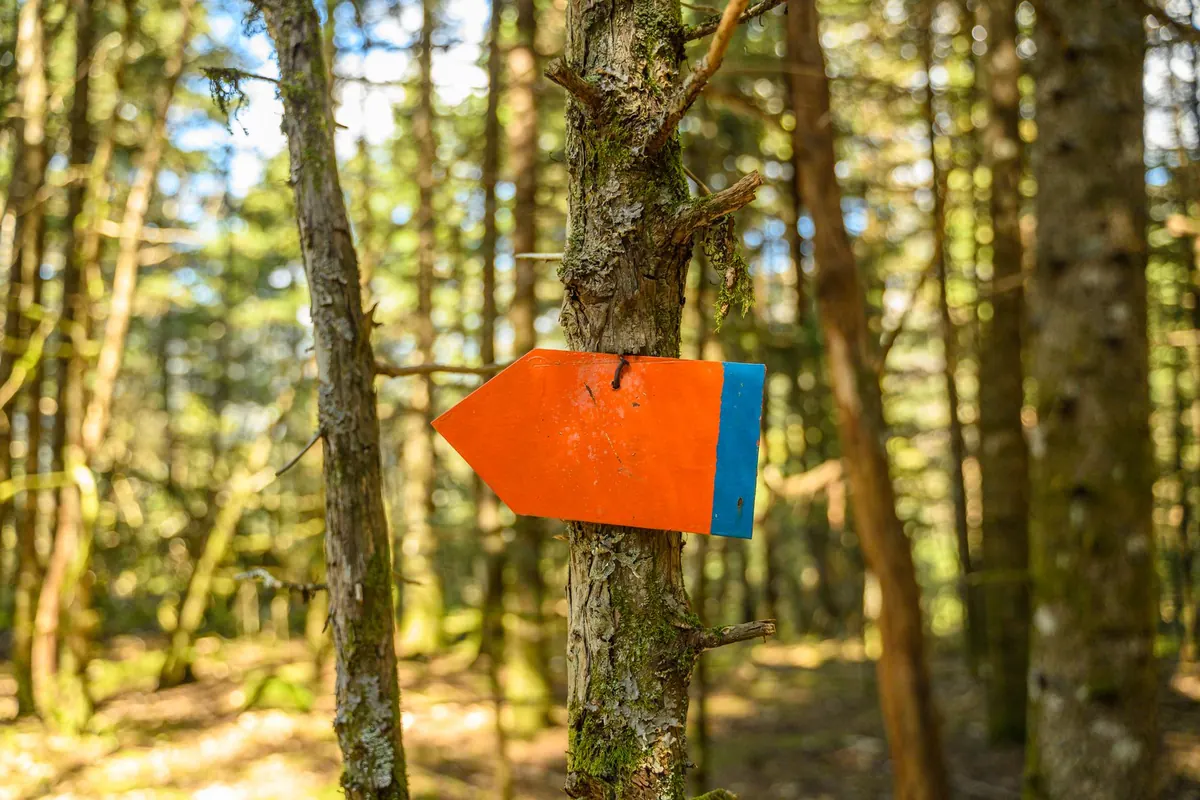
Agree a rule before you set off, in plain words a child can repeat back: stop at the blue marker, hold hands on the bridge, nobody goes near the wheel. Keep within arm's reach of younger children near any water, and treat wet stone as off-limits even when it looks like a good place to sit. Wellies with tread are better than smooth-soled shoes, and a change of socks in the bag has saved more family walks than any piece of equipment.
If water levels are high after heavy rain, or a path runs along the top of a bank, consider a different route. Local tourist offices and park authorities can tell you about current conditions; use them rather than guessing.
Pack light, but pack for the mill
You do not need much for a two-hour walk. You do need the right small things:
- Footwear with real tread, for everyone, including the adults.
- Water and a snack that survives being sat on.
- A spare pair of socks per child, and a cloth or wipes.
- A few plasters and a small first-aid kit.
- Layers and a light waterproof, even on a bright morning.
- A paper map or an offline download — river valleys are often poor for phone signal.
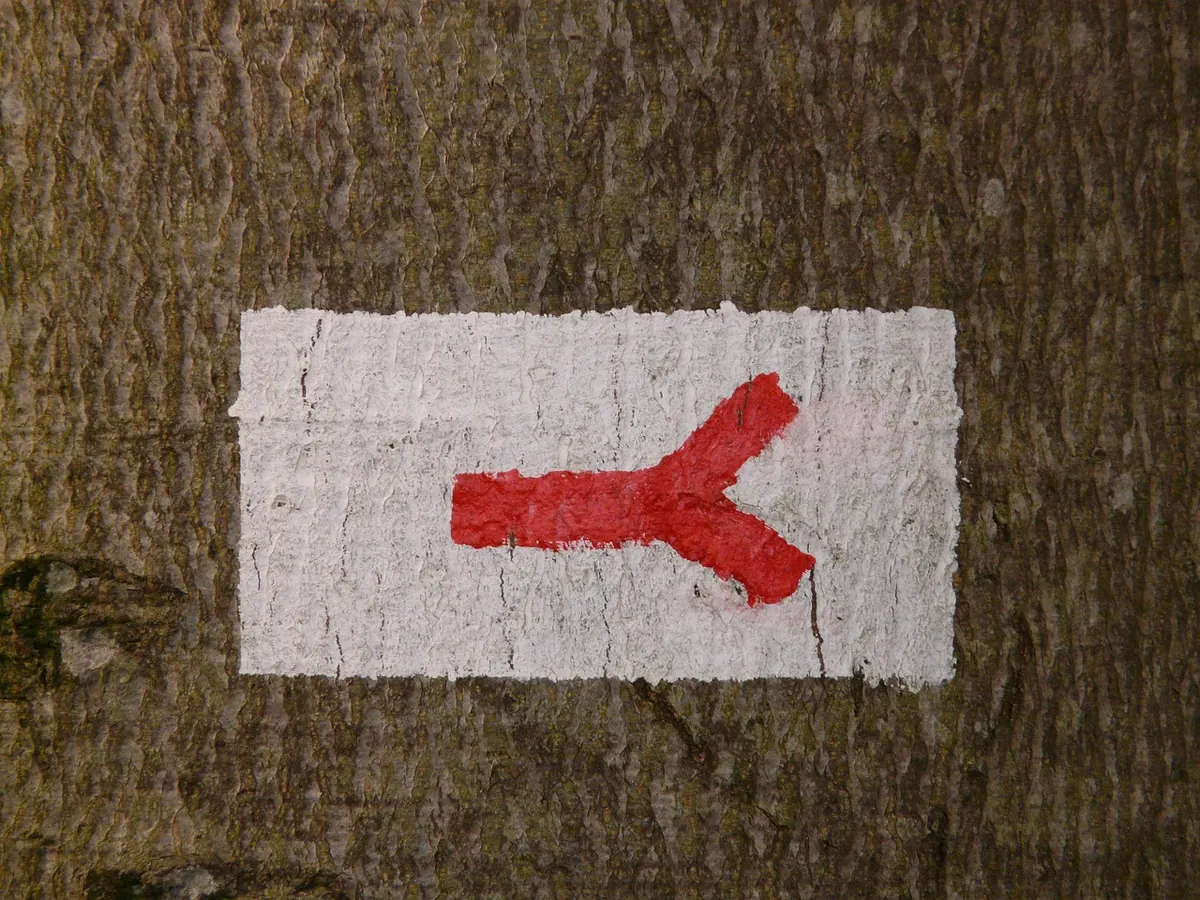
Also worth checking before you leave: waymark colours, whether any section crosses private land, whether livestock are grazing, and whether dogs must be on a lead. Stiles and narrow gates can be awkward with a child carrier, so read the route notes if you are carrying a baby.
A quick check before you leave the car
Run through five questions and most problems disappear before they start. Is the mill actually open, or at least visible from outside? How far is it, in time rather than kilometres, and where is the turnaround point? Where will you sit and eat? Where is the water, and what is the rule about it? And what is the weather doing in the next three hours?
Answer those honestly, choose the shorter option when you are unsure, and a mill walk becomes one of the easiest good days out a family can have. The wheel turns, the water runs, and nobody has to be carried home.
Photo: Eliasderfotograf / Pixabay